Winter Session Begins Today; Opposition Set to Target Govt Over SIR Electoral Roll Revision
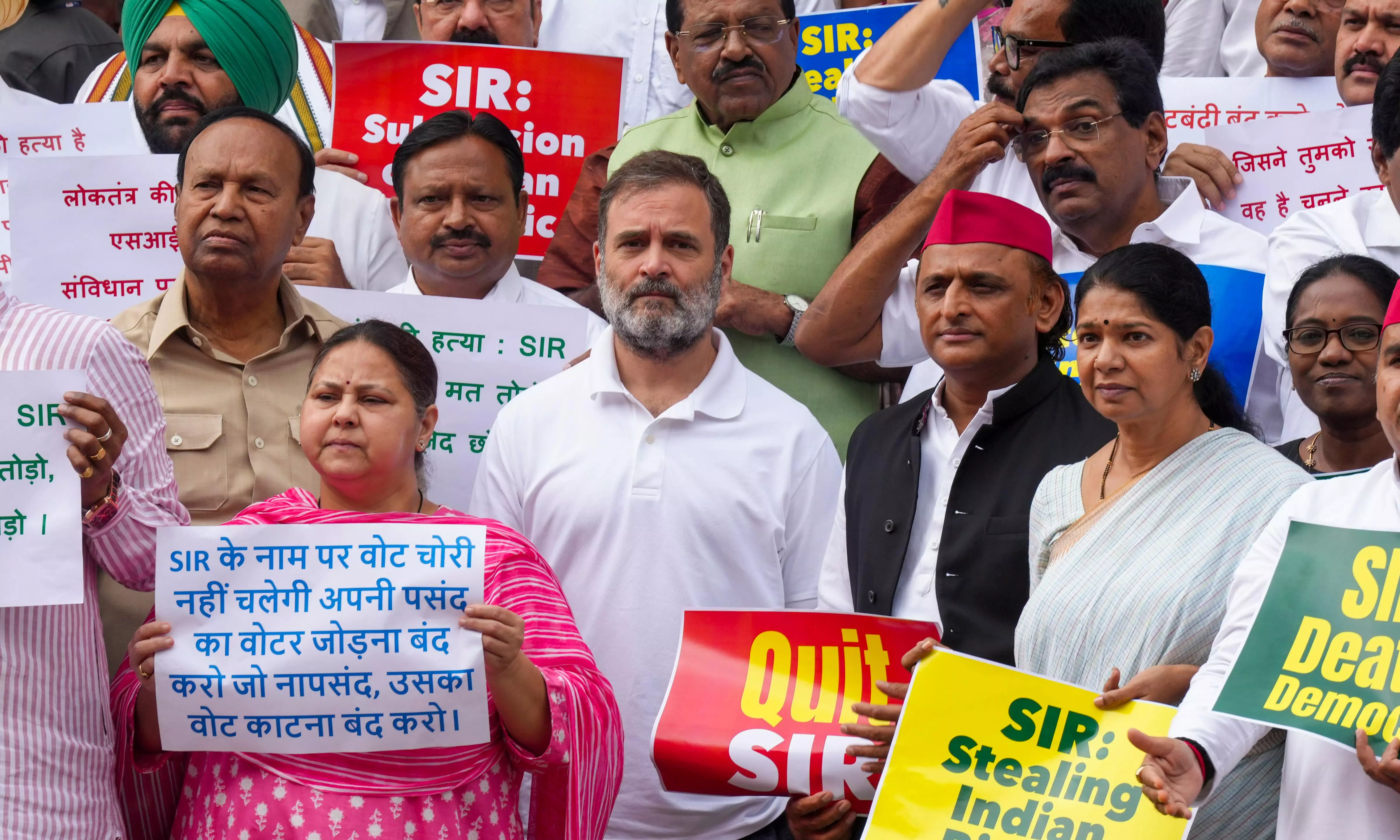
Parliament’s Winter session starts with key reform bills on the agenda. Opposition to raise concerns over Special Intensive Revision (SIR) of electoral rolls and air pollution issues. Session to conclude on December 19.
The Winter session of Parliament opens today, setting the stage for a three-week legislative drive that includes 15 sittings and a series of reform-focused bills. The government is expected to push major policy changes, including the Atomic Energy Bill, 2025, which proposes allowing private sector participation in India’s civil nuclear industry
The session convenes after the NDA's strong performance in the Bihar Assembly elections, likely reinforcing the government’s momentum on economic and administrative reforms following a largely stalled Monsoon session. Key bills lined up include the Higher Education Commission of India Bill, aimed at granting higher educational institutions greater autonomy, and the National Highways (Amendment) Bill, which seeks faster land acquisition procedures. The government also plans to introduce amendments to Corporate Laws and Securities Markets legislation, along with revisions to the Arbitration and Conciliation Act. However, the Opposition is preparing to target the Centre over the Special Intensive Revision (SIR) of electoral rolls across 12 states and Union territories, and is also likely to raise concerns about worsening air quality in the national capital.
A meeting of parliamentary floor leaders was convened on Sunday by Parliamentary Affairs Minister Kiren Rijiju to streamline coordination during the session.
The session is scheduled to conclude on December 19
-
Reforms in sectors like nuclear energy and education signal long-term structural shifts, but their impact will depend on industry readiness and stakeholder acceptance.
-
With the electoral roll revision issue gaining traction, political debate could overshadow legislative progress if consensus-building is not prioritised.
-
Citizens may particularly benefit from reforms tied to infrastructure and business ease, provided implementation remains transparent and timely.