US Tariffs Put Pressure on India’s Exports as Trade Tensions Deepen
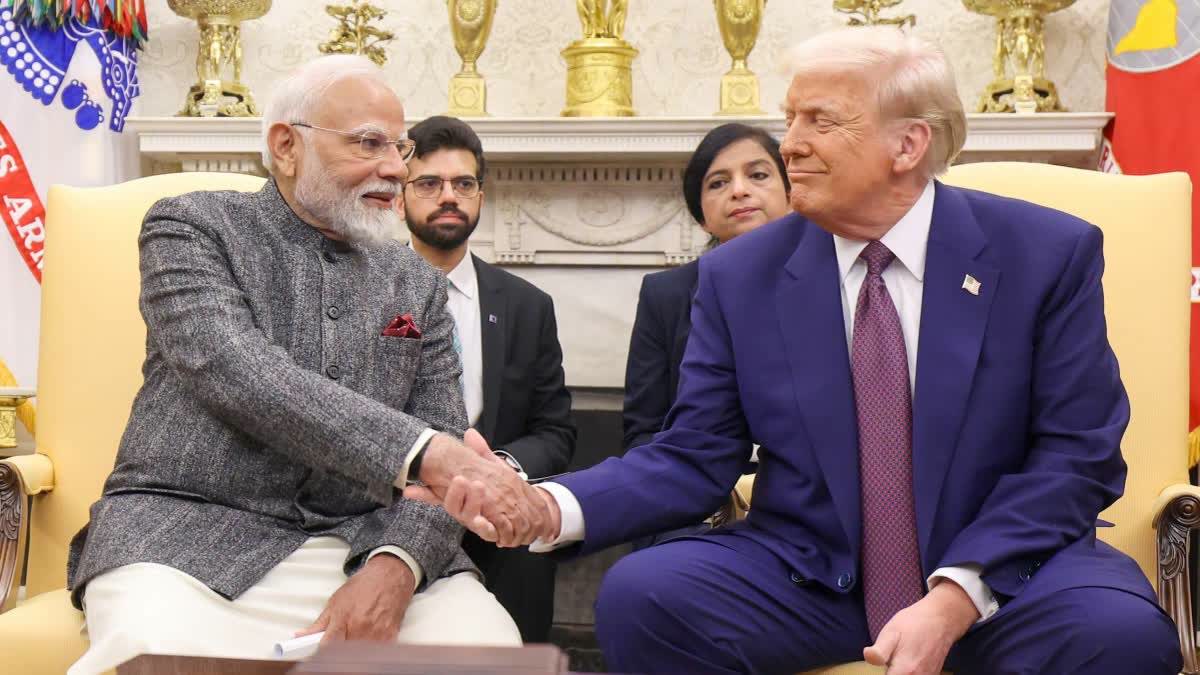
Escalating US tariffs under Donald Trump are squeezing Indian exports and testing New Delhi’s economic and foreign policy balance in 2026.
India’s trade ties with the United States are facing renewed strain as Donald Trump sharpens his tariff offensive, linking higher duties to New Delhi’s continued purchase of discounted Russian crude. Earlier, Washington imposed reciprocal tariffs of about 25% on Indian goods, which were later raised to 50% in August 2025 as a punitive measure aimed at pressuring Prime Minister Narendra Modi to cut Russian oil imports.
Negotiations for a bilateral trade deal collapsed amid mutual recriminations, with US officials blaming India for stalled talks and New Delhi rejecting those claims as inaccurate. In January 2026, Trump hinted at further tariff hikes if India does not scale back its energy purchases from Russia. Adding to the uncertainty, a newly announced 25% tariff threat on countries trading with Iran could stack on existing duties, potentially pushing effective tariffs on some Indian exports much higher. Separately, a proposed bipartisan US bill threatening extreme penalties on buyers of Russian energy has raised alarm in trade and diplomatic circles.
The impact on India’s economy is uneven. While sectors like electronics and pharmaceuticals remain largely insulated helping India emerge as a major supplier of iPhones to the US—labour-intensive industries have borne the brunt. Textiles, gems and jewellery, marine products, leather, chemicals and engineering goods have reported steep drops in competitiveness, revenue stress and job risks. Early post-tariff data showed declines of 20–40% in some export segments, though overall shipments to the US rebounded later in 2025 as exporters diversified markets.
Economists estimate that sustained 50% tariffs could shave 0.2–0.6% off India’s GDP growth, with the full impact expected to become clearer in 2026. Despite this, India continues to project strong growth driven by domestic demand and reforms, even as external pressures complicate the outlook.
The tariff standoff underscores how trade policy is now tightly intertwined with geopolitics. For India, the challenge lies in protecting jobs and exporters without conceding strategic autonomy on energy sourcing. While diversification into new markets offers some relief, prolonged US pressure risks deeper economic pain unless negotiations yield partial exemptions or a reset in trade ties.