Allegations of Muslim Voter Deletion Surface During Gujarat SIR
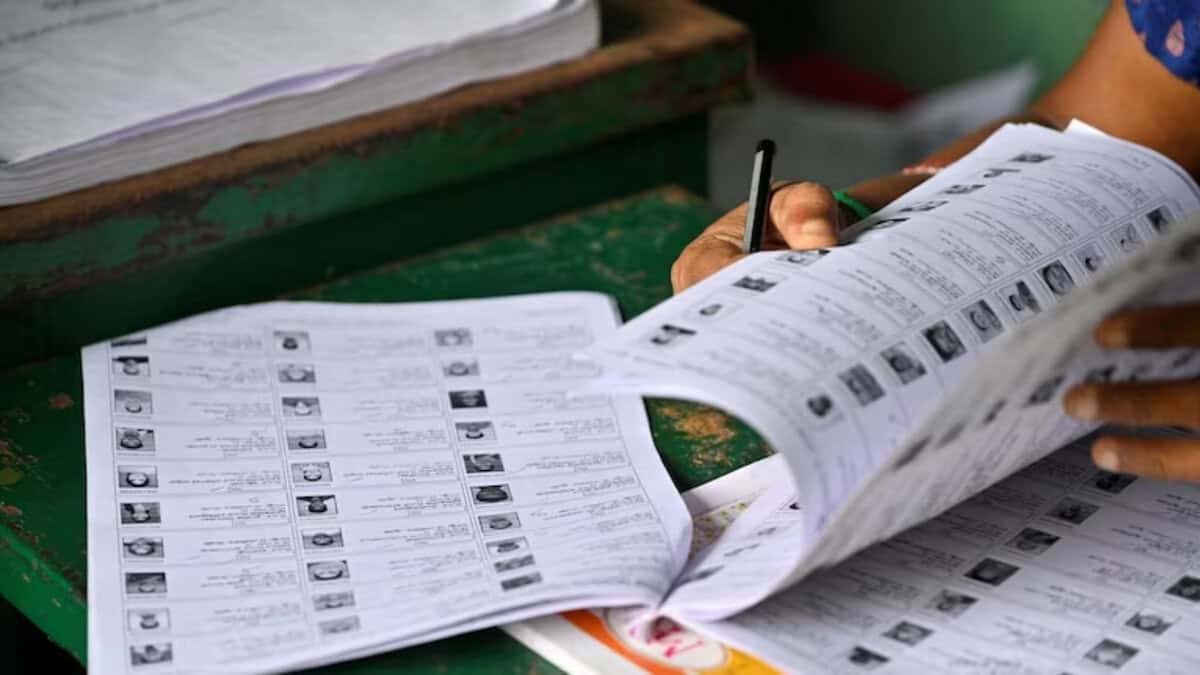
Minority voters in Ahmedabad’s Jamalpur area allege wrongful deletion from electoral rolls during Gujarat’s SIR process, raising concerns over voter rights.
Allegations of targeted voter exclusion have surfaced from Ahmedabad, where several Muslim residents in the Jamalpur Assembly constituency claim their names were removed from electoral rolls and marked as “dead” during the ongoing Special Intensive Revision (SIR) process in Gujarat.
Affected voters said their names appeared in the initial draft rolls and that they had duly submitted SIR forms, yet deletion requests were later filed against them. The objections were reportedly made through Form 7, a provision that allows requests for removal of a voter’s name on grounds such as death, relocation or duplication.
Residents and local activists alleged that the objections were filed by individuals with no direct connection to the voters concerned. Some have accused workers linked to the Bharatiya Janata Party of misusing the process to falsely declare Muslim voters as deceased—an allegation the party has not officially responded to.
Among those affected is municipal councillor Rafiq Sheikh Qureshi, who said an objection was raised against him citing a change of address, even though the objector lived in a different ward. “We are alive, we have voted earlier, yet the system now says we don’t exist,” he said, calling the deletions a form of erasure rather than a clerical error.
The Minority Coordination Committee (MCC) described the pattern as deliberate. Its convener Mujahid Nafees said the scale and similarity of objections point to an organised attempt to suppress Muslim votes. According to activists and Booth Level Officers, hundreds of Form 7 objections have already been recorded in Jamalpur alone, with claims that the actual number could be far higher.
The MCC has submitted a representation to the Election Commission of India through the state’s Chief Electoral Officer, seeking special verification drives, rejection of third-party objections without strict scrutiny, and legal action against those filing false claims. The SIR process in Gujarat is currently in the claims-and-objections stage, and election authorities are yet to issue a formal response.
If proven, such deletions could undermine trust in electoral processes, particularly among minority communities. The episode highlights how procedural tools like Form 7 can become contentious when safeguards are weak. For voters, timely verification and appeals are now crucial, while election authorities face pressure to ensure transparency so that administrative exercises do not translate into disenfranchisement.